

empty
 
 
18.09.2026 09:44 AM
Quantum shield and "Digital Negative": How iPhone 18 Pro declares war on AI deepfakes

This image is no longer relevant

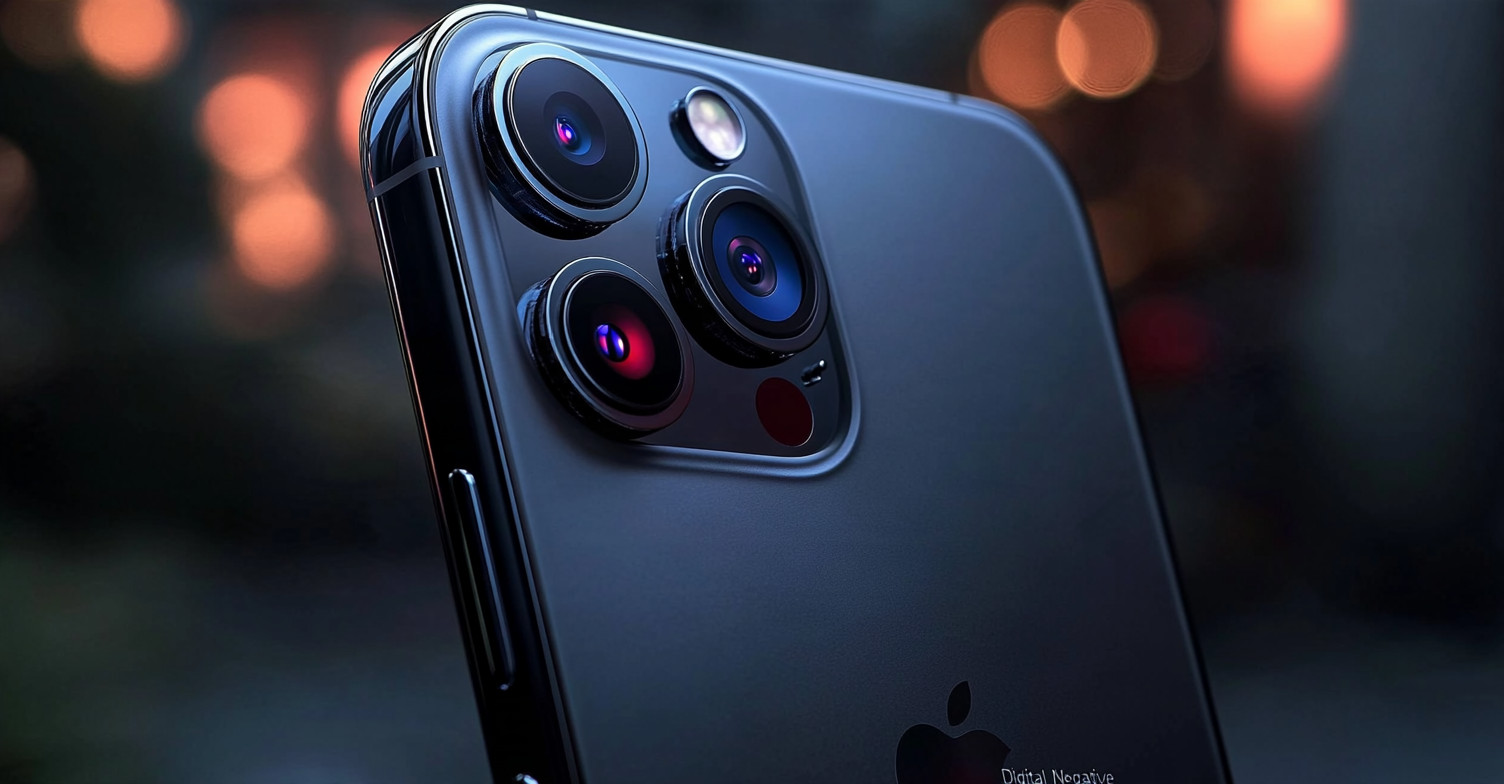
We have entered an era in which our own eyes can no longer be trusted. Generative AI has learned to create photorealistic images in seconds, turning photography from documentary evidence into an object of dispute. In response to this crisis of trust, Apple has unveiled a radical solution — the unique, for now, Reference Image feature.

On Monday, Apple revealed details of how the Reference Image system works, following its debut in the iPhone 18 Pro and Pro Max lineup. Strip away the marketing, and what we are looking at is not simply another camera gimmick, but an attempt to create a cryptographic standard of reality in a world where almost anything can be forged.

Apple has divided the authentication process into two stages, the first of which resembles the operation of a classic film camera brought into the digital age. When you take a photo in the special reference mode, the "raw" pixel data is cryptographically signed at the hardware level. Crucially, this happens inside the sensor itself, before the iOS operating system gains access to the data.

This rules out any interference from malicious software or system vulnerabilities. At Apple, this data set is referred to as a "secure digital negative." It is stored on the device alongside the processed photograph we are familiar with.

The most interesting part begins when the user decides to "develop" this negative. The data is sent to an isolated environment within Apple's Private Cloud Compute (PCC). This is where all the processing takes place: demosaicing, tone mapping, and compression.

The resulting JPEG receives a composite post-quantum digital signature based on a hybrid of RSA-3072 and ML-DSA-87. Why such an extreme level of protection? Apple is thinking decades ahead, and this combination of algorithms is designed to ensure that the signature cannot be broken even if powerful quantum computers emerge in the future.

Cupertino was also quick to point out that its approach is fundamentally different from the industry-standard C2PA, which is used by other manufacturers. C2PA works like an "event log": it adds metadata describing an image's provenance and editing history after the photo has already been created.

This image is no longer relevant

Apple considers this to be an Achilles' heel: if the image-creation chain is not protected from the very first pixel, it remains vulnerable to compromise. Company representatives explicitly state that Reference Image is, as of today, the only system providing quantum-resistant security at the sensor level.

Perhaps the strongest aspect of Reference Image is its paranoid — in a good way — approach to privacy. Existing verification systems often link a photo to a public profile or a specific device, making it possible to track its creator.

Apple has taken a different path. The final signature is applied through the company's own service only after verification inside the "blind" PCC environment. This means that an outside observer — or a hacker — physically cannot determine whether two different photographs were taken on the same iPhone. Moreover, thanks to the architectural guarantees of Private Cloud Compute, Apple itself never sees the contents of your images.

The system has its limitations, too. The Reference Image feature works exclusively with the primary camera sensor on the iPhone 18 Pro and Pro Max and is optional by default.

On the other hand, this gives Apple an elegant security mechanism: if it is discovered in the future that a particular batch of sensors is vulnerable or has been compromised, the company could selectively revoke the authenticity certificates for images taken with those sensors. And once again, it could do so without being able to determine which specific images were taken or who took them using the "problematic" device.

The verdict is clear: Reference Image is more than just a shield against deepfakes. It is a manifesto for a new era in media. Your phone's camera is now not only a way to capture a moment, but also a personal "digital notary." Through cryptography, the technology transforms an ordinary photograph into irrefutable evidence of reality, restoring trust in visual content.

Andreeva Natalya,
Especialista em análise na InstaForex
© 2007-2026
Ganhe com as variações das taxas das criptomoedas com a InstaForex.
Baixe o MetaTrader 4 e abra a sua primeira operação.
  • Grand Choice
    Contest by
    InstaForex
    InstaForex always strives to help you
    fulfill your biggest dreams.
    PARTICIPE DO CONCURSO
  • Chancy Deposit
    Deposite US $ 3.000 em sua conta e receba $3000 mais!
    Em Setembro nós sorteamos $3000 na campanha Chancy Deposit!
    Tenha a chance de ganhar, depositando $3,000 em sua conta de negociação. Após cumprir essa condição, você se torna um participante da campanha.
    PARTICIPE DO CONCURSO
  • Trade Wise, Win Device
    Abasteça a sua conta com pelo menos $500, inscreva-se no concurso e tenha a chance de ganhar dispositivos móveis.
    PARTICIPE DO CONCURSO
  • Bônus de 30%
    Receba um bônus de 30% toda vez que você fizer um depósito em sua conta
    RECEBA O BÔNUS

Recommended Stories

Não pode falar agora?
Faça sua pergunta no chat.
Widget callback